Business alarm monitoring: a practical security solution for your business
Business security continues to evolve, although one thing remains the same. An alarm is much more useful when there is a clear process for what happens after it is triggered.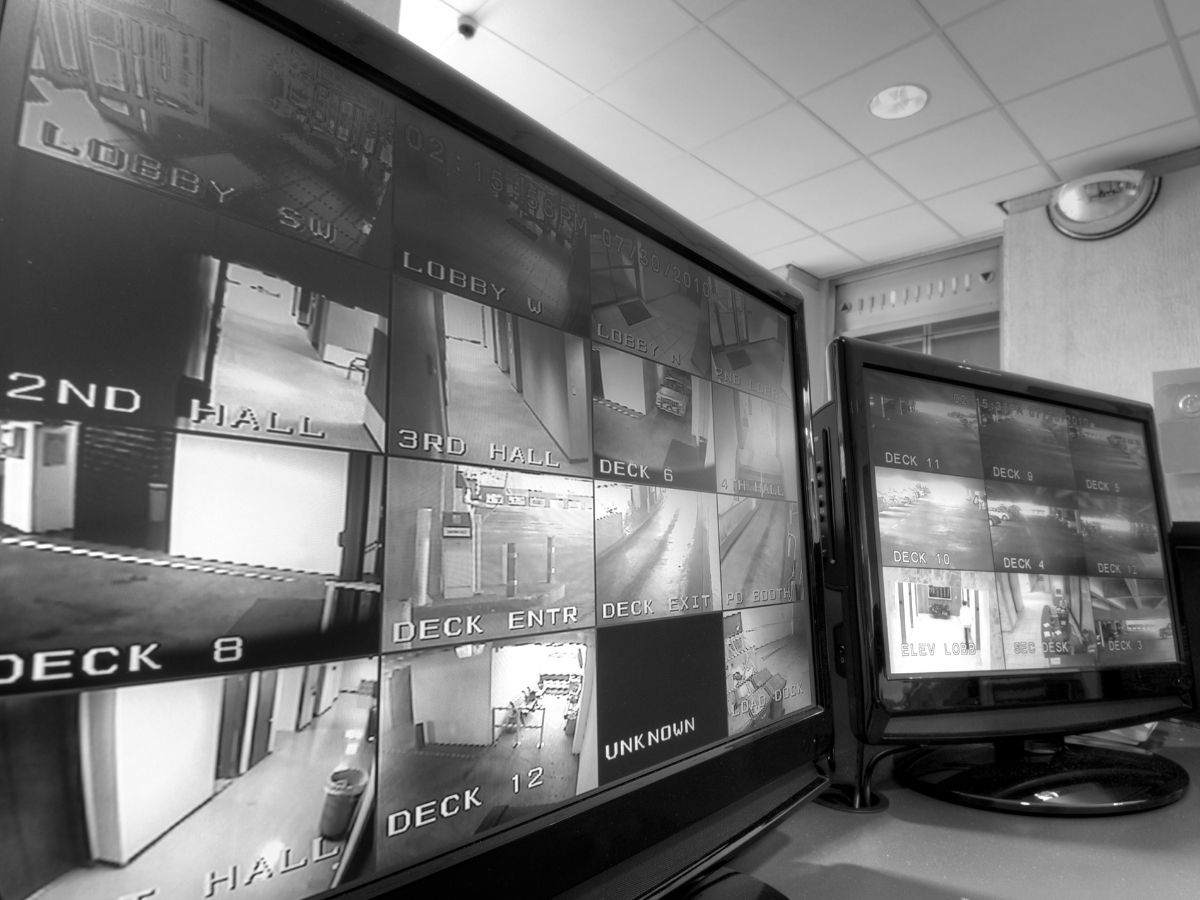

Business security continues to evolve, although one thing remains the same. An alarm is much more useful when there is a clear process for what happens after it is triggered.
Business alarm monitoring connects your alarm system to a monitoring team so alarm activity can be identified and managed in line with an agreed response plan. At PGC Security, alarm monitoring is managed through the control room, giving clients a single point of communication. Monitoring can be tailored around your site, your risks and your budget, with regular updates if your security needs change.
The technology behind alarm systems continues to develop, although business alarm monitoring involves more than the equipment installed at your premises. It also relies on qualified people, response procedures, ongoing monitoring and a system designed around the way your business operates.
That matters whether you run a retail store, warehouse, office, construction site or another commercial premises. Different businesses have different operating hours, access patterns, assets and risks, so the monitoring plan needs to suit the business rather than follow a generic template.
For businesses across Albury Wodonga and Wagga Wagga, PGC Security also brings local knowledge to the monitoring process. The team understands the regions, where clients are located and the local trends that can affect security planning.
Here are five ways business alarm monitoring can support the security of your people, property and assets.
You will not have to manually keep tabs on your alarm system yourself, as the monitoring team is there to manage alarm activity and follow the agreed process when something needs attention.
PGC Security manages its services through the control room, which creates a single point of communication for clients and staff. If an alarm event or unusual activity is identified, the team can follow the response plan that has been set for your business.
That response plan matters because the right action can vary depending on the site and the situation. It may involve contacting the nominated person, escalating the incident or arranging an appropriate response. You can also receive updates when your security needs may need to be increased or refined.
For business owners and managers, this means there is a defined process in place rather than relying on someone to notice an alarm, work out what has happened and decide what to do next after hours.
Technology remains an important part of alarm monitoring, and the systems available to businesses have continued to improve.
PGC Security monitors and audits locations from its Albury office using software and equipment designed to support the monitoring process. The team can identify unusual activity and respond according to the plan established for the client.
The bigger consideration is how the technology fits with the rest of your security. Depending on your premises and risk profile, alarm monitoring may work alongside CCTV, access control, mobile patrols or guard services. An integrated approach can give your business more visibility and more options when an incident needs attention. PGC Security currently offers these services as part of its broader range of business security solutions.
There is little value in adding technology simply because it is new. The system needs to suit the site, operate reliably and give the people monitoring it useful information when action is required.
No two businesses are exactly alike, which is why the original point about flexible monitoring plans is still relevant in 2026.
PGC Security can customise an alarm monitoring solution around your situation and budget, including risk assessments to help determine the level of protection required. The response plan can then be built around what you want to happen if an alarm or unusual activity is identified.
A warehouse operating late into the evening may have different requirements from a retail store that closes at a set time. An office with regular cleaners and contractors may need different instructions from a site that is usually empty overnight. Monitoring arrangements need to reflect who should be on site, when they should be there and what action should be taken when something falls outside the normal pattern.
Security requirements can also change as a business changes. New operating hours, additional staff, a different site layout or changes to the assets stored on the premises can all affect the monitoring plan. Regularly reviewing the arrangement helps make sure it still suits the way the business operates.
PGC Security provides alarm monitoring, with backup procedures in place for power outages. That means monitoring continues outside normal business hours, including overnight and on weekends, when your own team may not be on site.
Around the clock monitoring is particularly useful because an alarm activation does not automatically explain what has happened. Monitoring provides the process for identifying the signal and following the agreed instructions.
It is also useful to separate monitoring from alarm response. Monitoring is the process of receiving and managing the alarm event. Alarm response involves taking action after an activation, which may include someone attending the site depending on the service and response plan in place.
If your business needs both monitoring and physical attendance when required, talk to PGC Security about how alarm monitoring and alarm response can work together.
The response plan remains one of the most important parts of the original blog because monitoring works properly when everyone knows what should happen when an alarm is triggered.
PGC Security tailors response plans to the needs of the client. Depending on the situation and the instructions in place, the monitoring team can identify unusual activity, contact emergency services or arrange for a trained PGC Security team member to check the site.
The plan should take into account the type of premises, who needs to be contacted, what situations require escalation and what should happen outside normal business hours. It can also be refined if the security needs of the business change.
This is where the human side of alarm monitoring matters. Technology can generate the signal, although qualified personnel still need to manage the situation, record what has happened and follow the correct process. PGC Security’s current monitoring service specifically includes trained staff who can address, record and resolve breaches or incidents that arise.
If an alarm activation also requires someone to attend your premises, PGC Security provides alarm response services that can be tailored to the situation. This gives businesses the option to connect monitoring with a defined response rather than leaving the next step unresolved.
The benefits of alarm monitoring remain relevant today, although the way businesses use security technology and combine different security services continues to evolve.
Business alarm monitoring can give you ongoing oversight of your alarm system, a defined response process and access to trained people when an alarm event needs attention. It can also form part of a broader business security setup alongside CCTV, access control, mobile patrols, guard services and alarm response where those services are appropriate for the site.
The right setup depends on the business, the premises, the people using the site and the risks you need to manage. That is why a tailored approach matters more than simply choosing a system from a list and hoping it suits the way you operate.
If you are reviewing your current alarm monitoring or want to understand what a monitored system could look like for your business, speak with PGC Security about a solution designed around your site and budget.
Give us a call today to learn more about how we can help you.
When it comes to security, we’ve got you covered!
Business alarm monitoring connects a business alarm system to a monitoring service so alarm activity can be identified and managed according to an agreed response plan. With PGC Security, monitoring is managed through the control room and can be tailored to the needs of the business.
The action depends on the response plan in place. The monitoring team identifies the alarm event and follows the agreed instructions, which may include contacting nominated people, escalating the incident, contacting emergency services or arranging a security response when required.
No. Alarm monitoring involves receiving and managing alarm signals through a monitoring service. Alarm response involves taking action after an activation, which can include a security officer attending the premises. Businesses can use monitoring and response together where that suits their security requirements.
or
Monday – Sunday:
Open 24 Hours


 Benefits of User Code Update Management